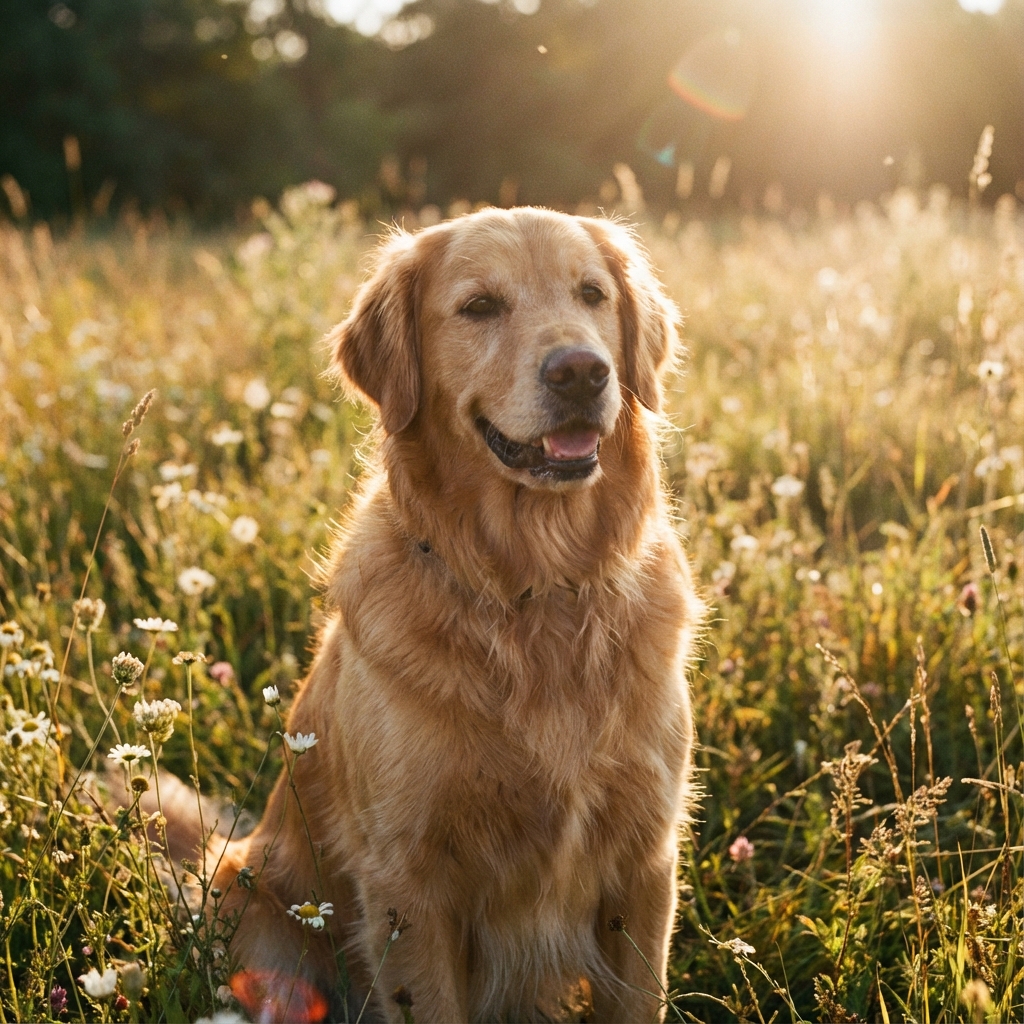
Golden Retriever
The Golden Retriever is a large Scottish gun dog breed developed by Lord Tweedmouth in the mid-19th century to retrieve waterfowl, now widely used as a service, therapy, and search-and-rescue dog.
The Golden Retriever is consistently ranked among the top 5 most popular dog breeds in the United States and worldwide. Originally bred as gun dogs to retrieve waterfowl, Goldens have become versatile companions that excel in service work, search-and-rescue, and therapy roles, as well as being popular family dogs. Their popularity can obscure the fact that they are large, active dogs requiring significant daily care and exercise.
History and Origin
The Golden Retriever was developed in the Scottish Highlands in the mid-19th century by Dudley Marjoribanks, the first Lord Tweedmouth. He wanted to create the ultimate retriever: a dog with a superior nose, a soft mouth (to retrieve game without damaging it), and a love for water, suited for the rainy Scottish climate.
Lord Tweedmouth crossed a “Yellow Retriever” (a now-extinct breed) with the Tweed Water Spaniel (also extinct). He later added Bloodhound and Irish Setter into the mix. The result was a rugged, hard-working dog with a kindly expression and a water-repellent coat.
The breed was officially recognized by the Kennel Club in England in 1903 and by the American Kennel Club (AKC) in 1925. Since then, they have become stars of the silver screen (think Air Bud) and the gold standard for service dogs worldwide.
Physical Characteristics
Golden Retrievers are sturdy, muscular dogs of medium-to-large size. They are famous for their balanced body and powerful gait.
- Height: Males stand 23-24 inches (58-61 cm) at the shoulder; females are 21.5-22.5 inches (54-57 cm).
- Weight: Males weigh 65-75 pounds (29-34 kg); females weigh 55-65 pounds (25-29 kg).
The Golden Coat
Their crowning glory is their dense, lustrous double coat.
- Outer Coat: Water-repellent and slightly wavy or straight.
- Undercoat: Soft and dense to keep them cool in summer and warm in winter.
The color can range from a light cream (often seen in “English Cream” lines) to a rich, dark red-gold. They have heavy feathering on their necks, legs, thighs, and tail.
Temperament and Personality
The hallmark of the Golden Retriever is its temperament. The breed standard describes them as “kindly, friendly, and confident.”
Sociable with Everyone
Goldens are not effective guard dogs. They tend to get along with children, strangers, other dogs, and even cats (if introduced properly), making them unsuitable for protection work but well-suited to family and public roles.
Eager to Please
They are highly intelligent and possess a strong desire to please their owners. This makes them highly trainable. Unlike some independent breeds that ask “What’s in it for me?”, a Golden asks “What can I do for you?”
Mouthy by Nature
As retrievers, they interact with the world through their mouths. They love to carry things around—socks, toys, or even your arm. This “mouthiness” is gentle but can be persistent, so providing plenty of toys is essential.
Training and Exercise Needs
Don’t let their calm demeanor in photos fool you; Golden Retrievers are energetic sporting dogs.
Exercise Requirements
They need at least 60 to 90 minutes of exercise daily.
- Fetch: It’s in their name! They will happily chase a tennis ball for hours.
- Swimming: Most Goldens are natural swimmers and love the water.
- Walking/Hiking: They make excellent hiking companions, though you should wait until their joints are fully formed (around 18-24 months) before long, strenuous hikes.
Training
Early socialization and puppy training classes are recommended. Because they can grow to be quite large and strong, teaching them not to jump on people and to walk loosely on a leash is vital while they are young. They excel in obedience, agility, and dock diving competitions.
Health and Lifespan
Golden Retrievers typically live 10 to 12 years. They are generally healthy, but the breed’s popularity has led to some genetic issues due to overbreeding.
- Cancer: Sadly, Goldens have a higher rate of cancer (such as hemangiosarcoma and lymphoma) than many other breeds. Regular vet check-ups are crucial for early detection.
- Hip and Elbow Dysplasia: Joint problems are common. Keeping your dog at a healthy weight is the best prevention.
- Heart Issues: Subvalvular Aortic Stenosis (SAS) is a heart condition found in the breed.
- Eye Conditions: Pigmentary uveitis, cataracts, and progressive retinal atrophy (PRA).
Grooming and Care
Expect hair. Everywhere. Golden Retrievers are heavy shedders.
- Brushing: You should brush them at least 2-3 times a week to remove loose fur and prevent tangles. During shedding season (spring and fall), daily brushing is necessary.
- Bathing: Bathe them once a month or when they get smelly. Be sure to dry their undercoat thoroughly to prevent “hot spots” (moist dermatitis).
- Ear Care: Their floppy ears trap moisture, making them prone to infections. Check and clean them weekly.
Nutrition
Goldens love to eat. They will eat their food, the cat’s food, and the sandwich you left on the counter.
- Weight Management: Obesity is a significant problem in the breed. Measure their food carefully and limit treats. You should be able to feel their ribs but not see them.
- Diet: A high-quality dog food appropriate for their life stage (puppy, adult, senior) is best. Some studies suggest avoiding grain-free diets for Goldens due to a potential link to heart disease (DCM), so consult your vet.
Is a Golden Retriever Right for You?
Yes, if:
- You want a loving, affectionate companion who wants to be with you 24/7.
- You are active and can provide daily exercise.
- You don’t mind dog hair on your clothes and furniture.
- You want a dog that is great with kids.
No, if:
- You want a guard dog.
- You work long hours and can’t offer midday breaks.
- You are a “neat freak” who can’t tolerate shedding or muddy paws.
The Golden Retriever is a commitment of time, energy, and attentive care. In return, the breed offers consistent affection, trainability, and versatility across a range of working and companion roles.
Related Breeds

Greyhound
Der Greyhound ist ein uralter Sichthund, der Sprintgeschwindigkeiten von bis zu 72 km/h erreicht. Di...

Afghan Hound
The Afghan Hound is an ancient sighthound from the mountains of Afghanistan, known for its long, sil...

Akita
With their massive heads, curled tails, and silent strength, the Akita is a loyal, dignified protect...